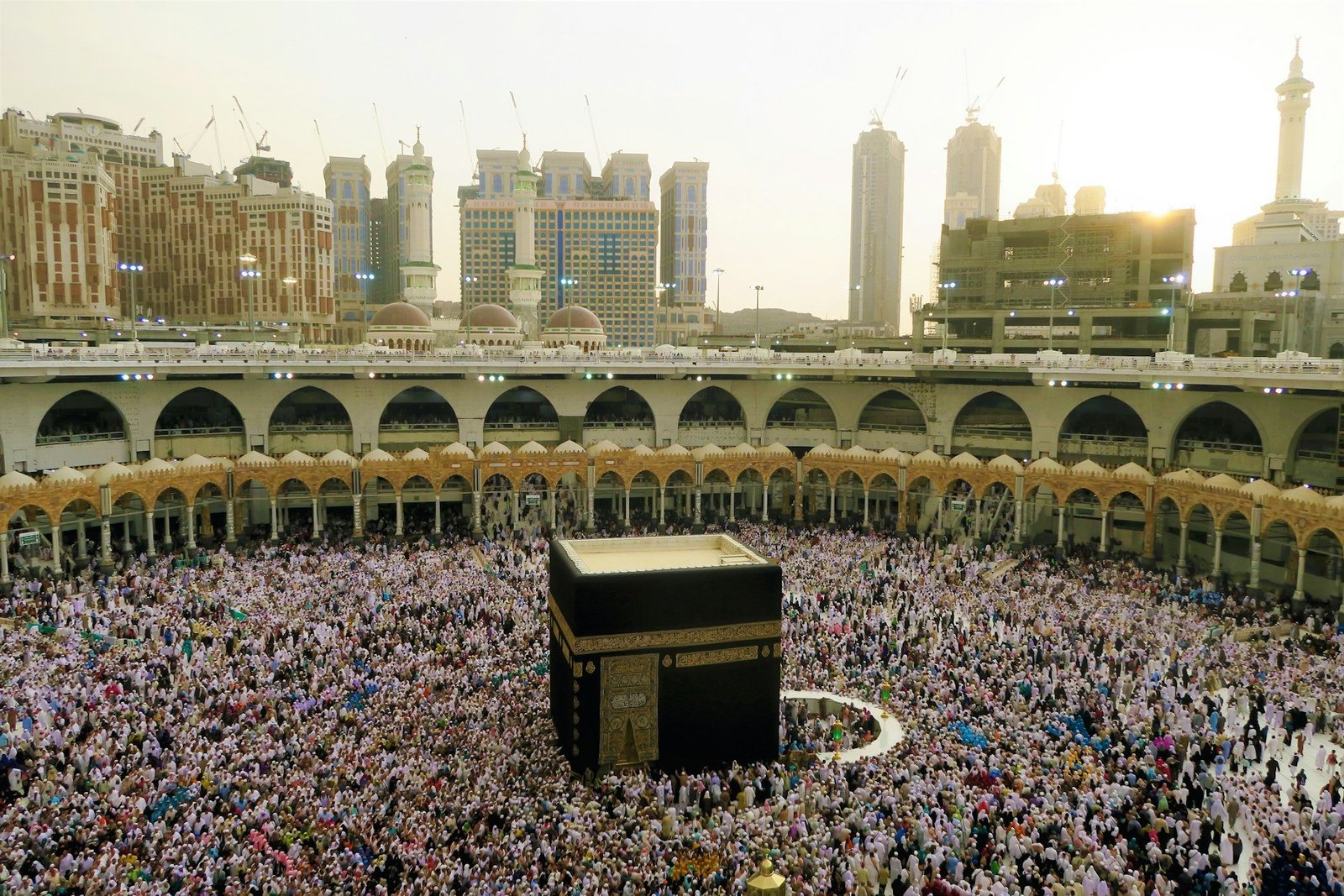
Distance from the haram matters more than the star rating
A five star hotel twenty minutes away can be harder work than a modest hotel three minutes from a gate, because the walk repeats five times a day. Ask for the walking distance to the nearest entrance, not the distance to the mosque itself, and check whether the route is covered, level and lit. For parents who tire easily, a room on a lower floor saves time at the lifts during peak prayers.
Build the trip around rest, not around sights
A common mistake is arriving late at night and going straight for Umrah. Allow sleep first. Plan one main act of worship per day, keep the afternoons free, and treat the Madinah ziyarah sites as one gentle morning rather than a tour. Ten days with rest built in is calmer than seven days packed tight, and it usually costs less per night.
Wheelchairs, transport and permits
Wheelchairs can be hired at both harams and electric carts run on designated routes. If a parent uses one, decide in advance who pushes and where you will meet if you separate, because phone signal in the crowd is unreliable. Rawdah visits in Madinah are issued as timed permits through the Nusuk app, so book them before you travel rather than hoping on the day.
Food, medication and the small things
Hotel buffets suit older travellers better than late restaurant meals, and half board removes one decision per day. Carry medication in hand luggage with a copy of the prescription, keep a small bag with water, dates and a folding prayer mat, and write the hotel name in Arabic on a card. These details are what make the difference between a tiring trip and a peaceful one.