October to March, the easy half of the year
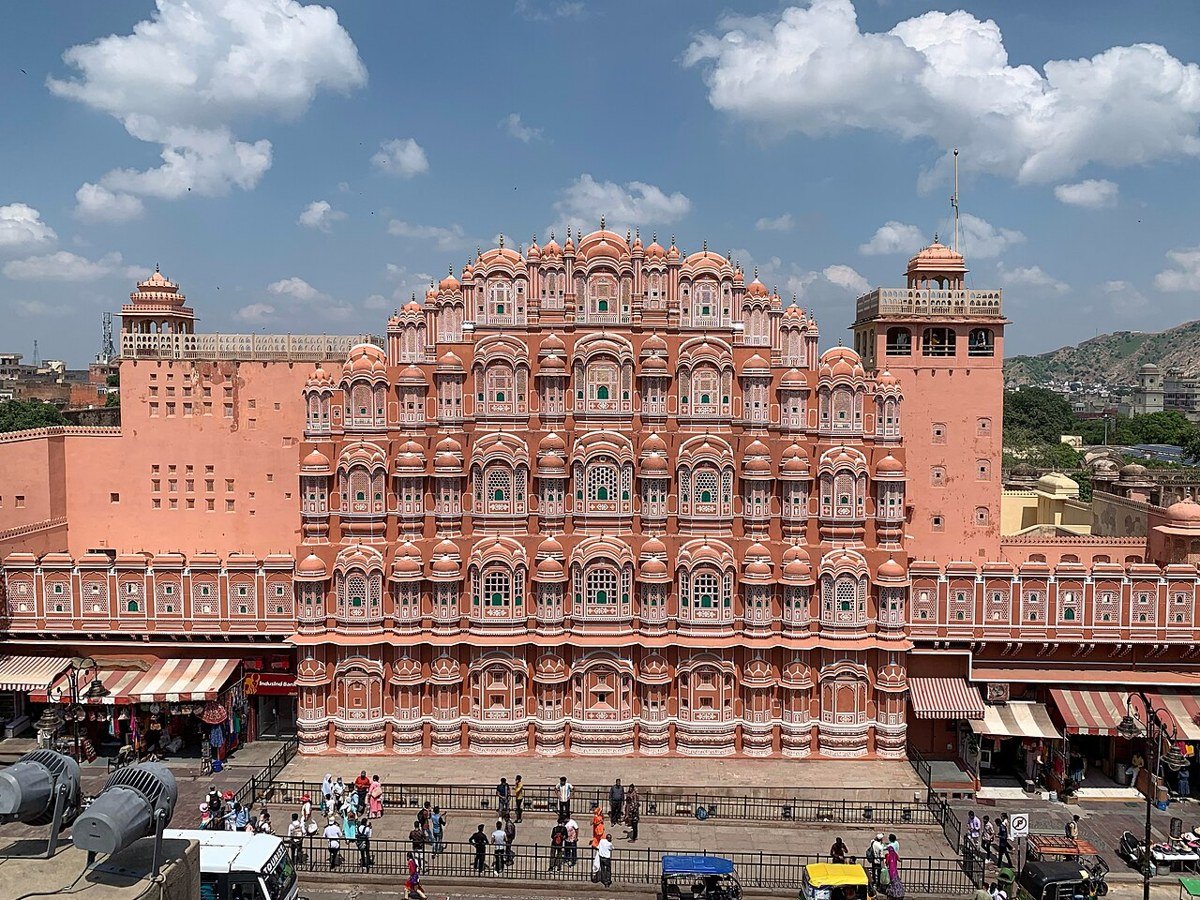
This is the window most people should plan for. Delhi, Agra, Jaipur, Rajasthan, Gujarat, Odisha and Madhya Pradesh are dry and comfortable, with cool mornings and warm afternoons. Tiger parks reopen in October after the monsoon closure. The two things to watch are the Delhi smog in November and genuinely cold January nights in the desert and the north, where a jacket is not optional.
April to June, go up not across
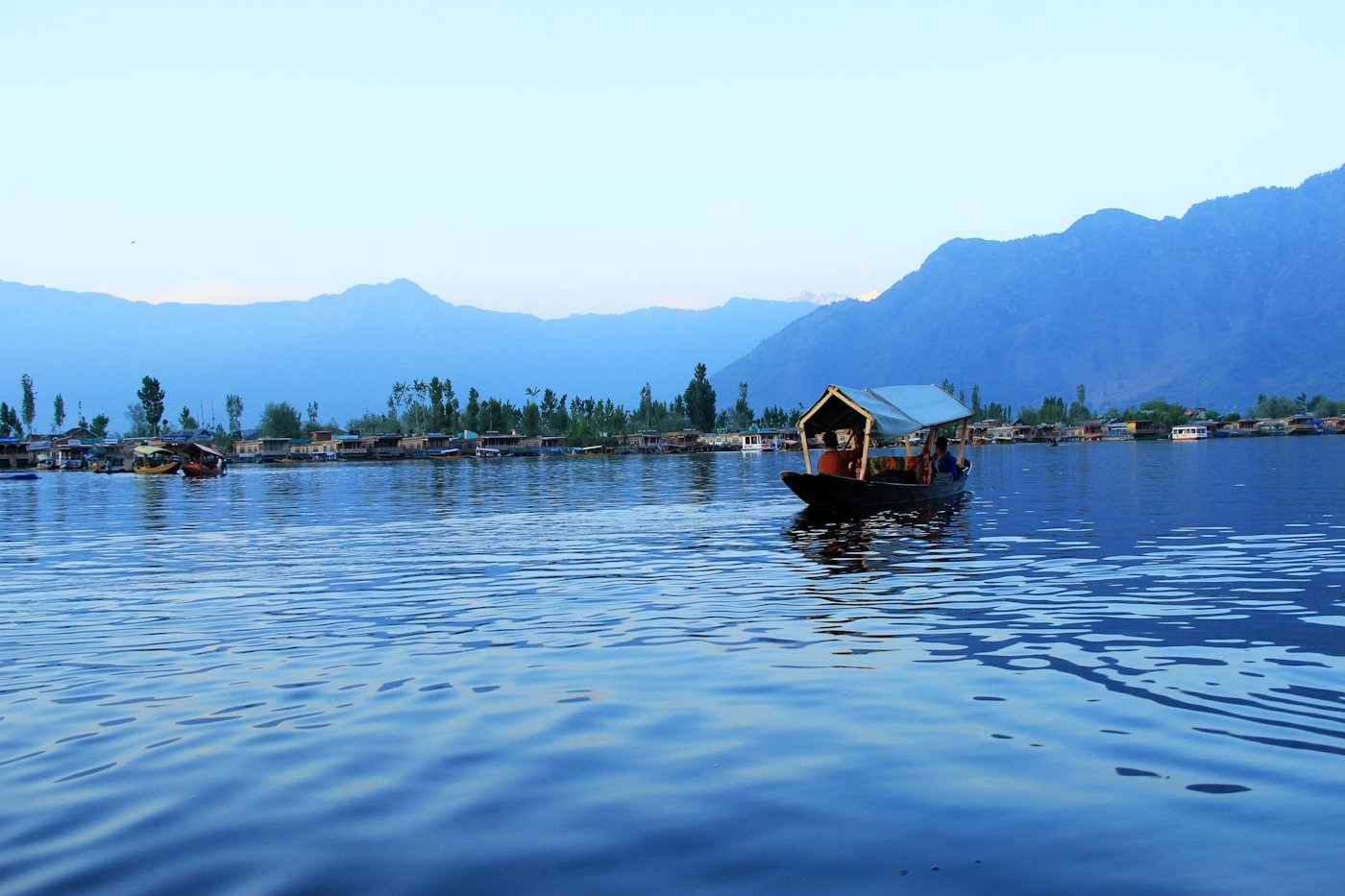
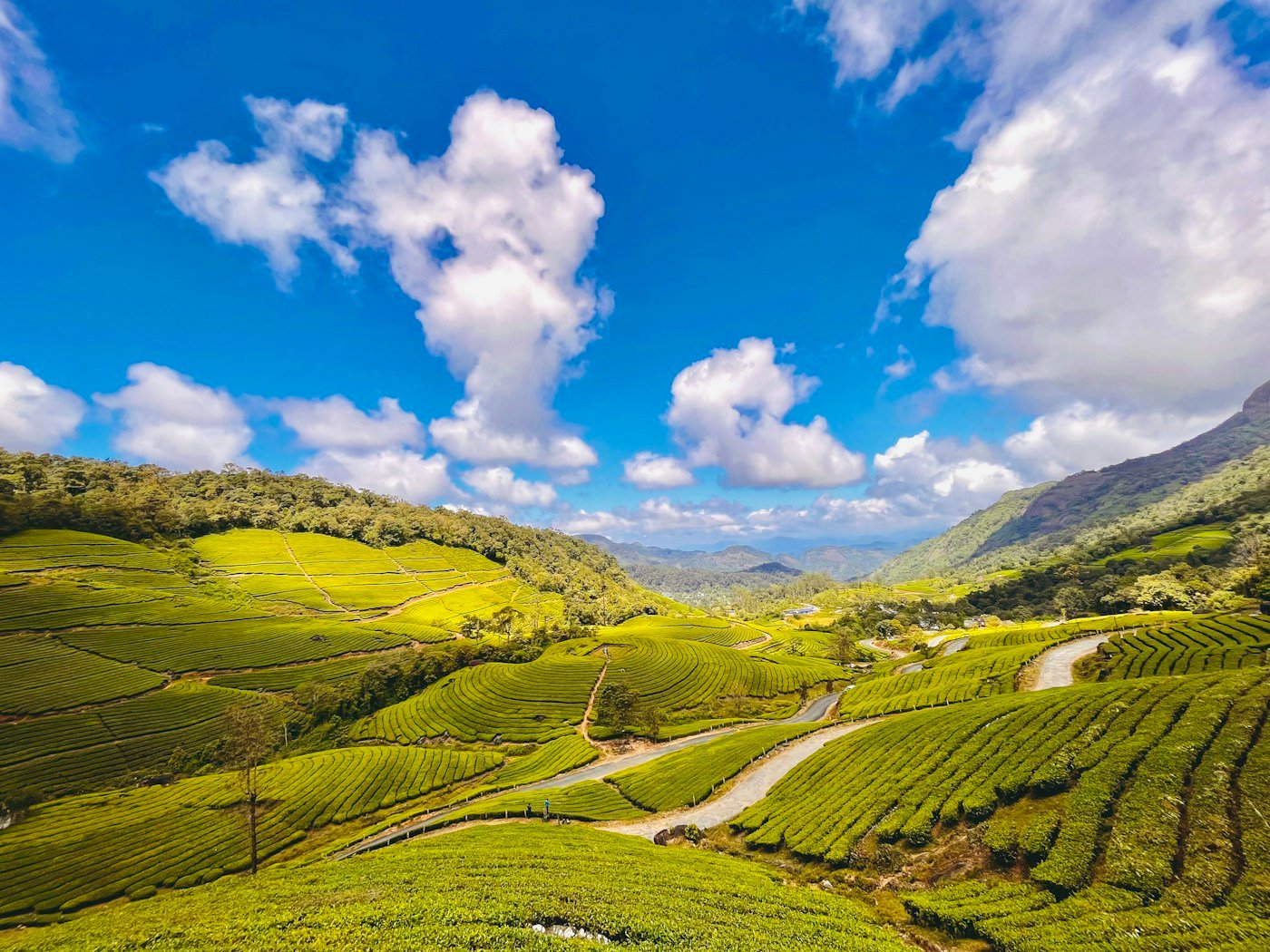
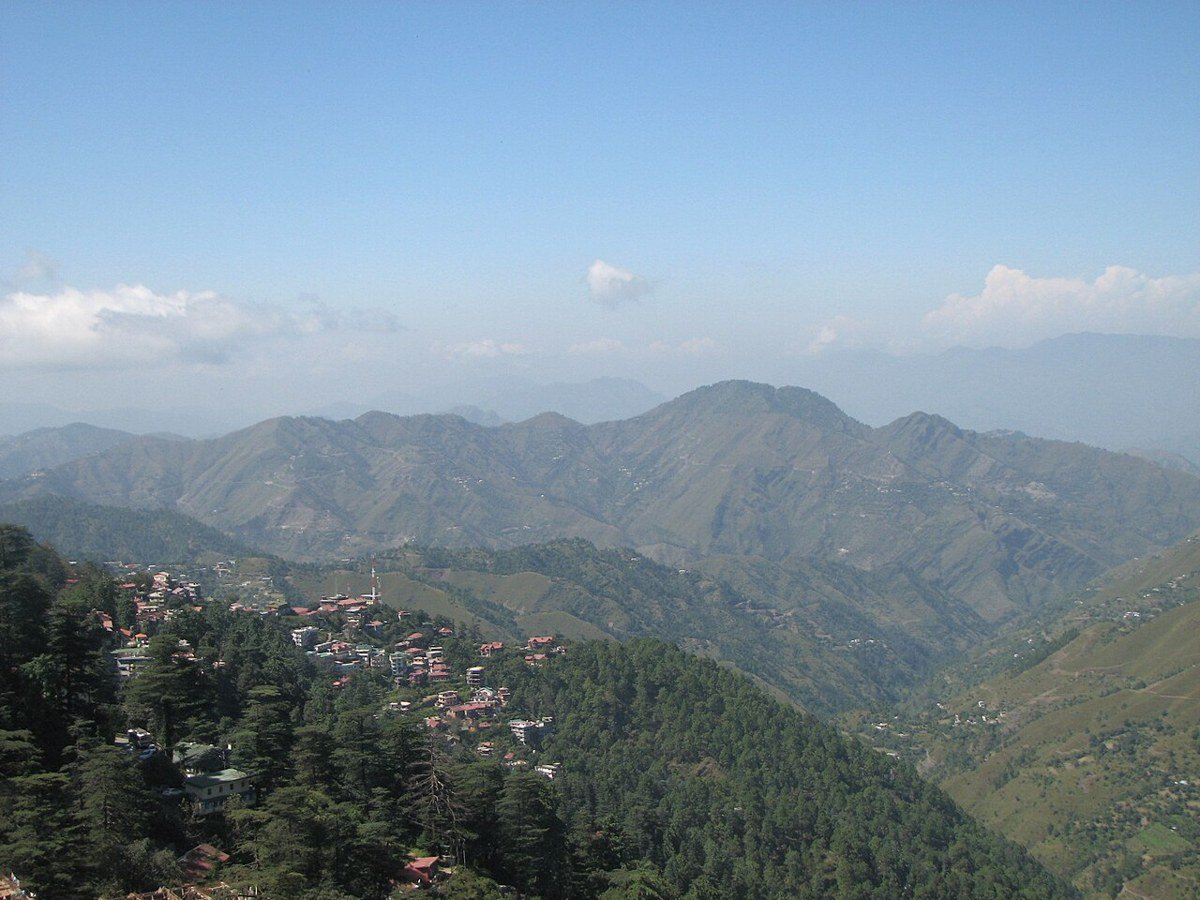
The plains become difficult, often above 45C, but this is exactly when the hill stations earn their reputation. Shimla, Manali, Nainital, Ooty and Coonoor are at their busiest and most pleasant. Ladakh opens around late May once the passes clear, and the Kashmir valley is at its greenest before the summer crowds from the Gulf arrive.
July to September, the monsoon has its own reward
Heavy rain closes hill roads and brings landslide risk, so this is the wrong time for Himachal or Uttarakhand driving routes. It is the right time for Kerala, where Ayurveda treatments are considered most effective and prices are lowest, and for Meghalaya, where the waterfalls are at full volume. Ladakh stays dry because it sits in the rain shadow.
Working around festivals and school holidays
Diwali in October or November, Dussehra in Mysuru, Pushkar fair in November and the Rann Utsav from November to February all fill hotels months ahead. UAE school holidays in December and the Eid breaks push flight prices up sharply on the Gulf to India routes. If your dates are flexible, moving a trip by ten days often saves more than any other decision.