

Things to do
The Golden Temple before dawn and after dark
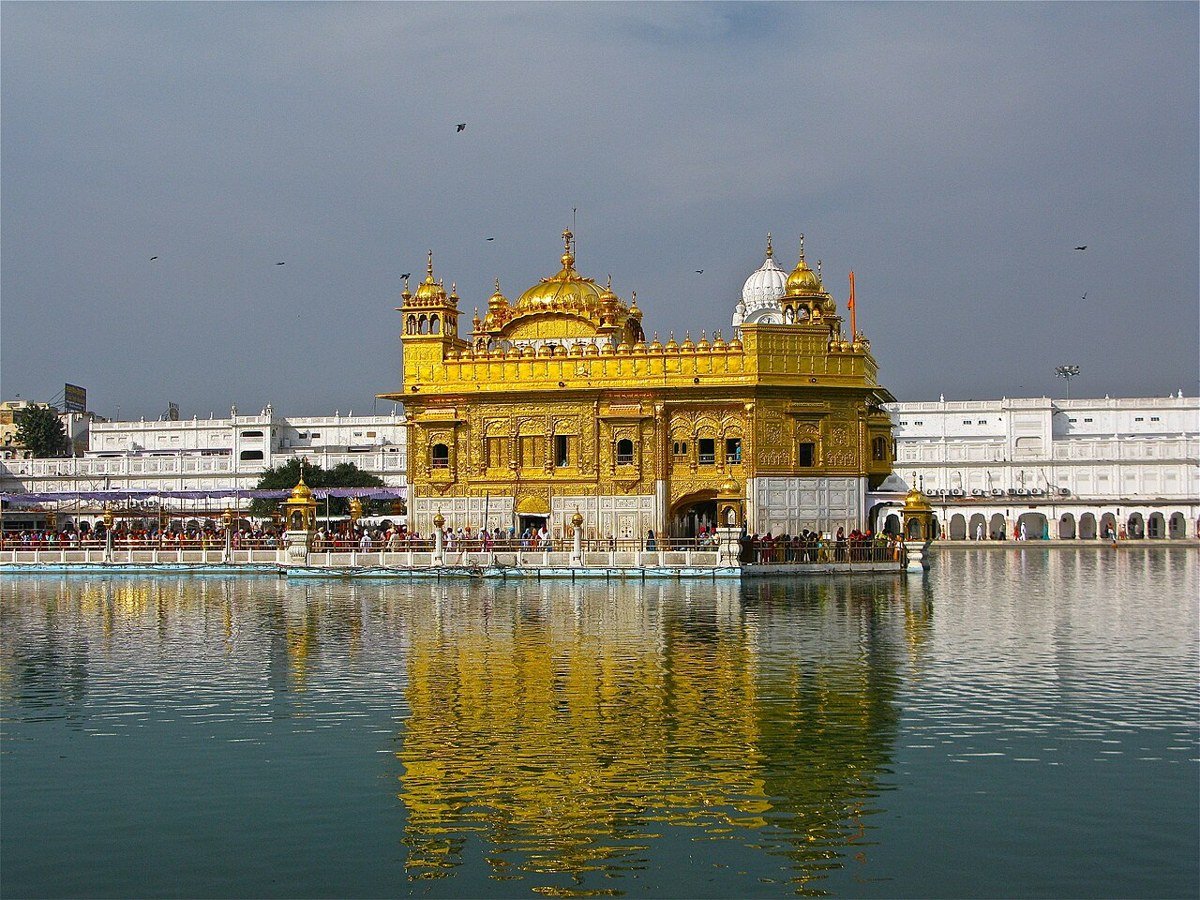
Harmandir Sahib stands in the middle of the sarovar, gold above white marble, with kirtan playing without a break from morning to night. Come before first light when the palki procession carries the Guru Granth Sahib in, and again after dark when the whole temple doubles in the water.
Good to know Cover your head, leave shoes and socks at the free counter, and walk through the shallow foot bath at the entrance. The complex is open through the night, and three in the morning is the quietest hour of all.
The langar kitchen and ten minutes of seva
The langar feeds everyone who walks in, tens of thousands a day, seated in rows on the floor with dal, roti and kheer served down the line. Behind the hall the machines roll out roti by the thousand, and volunteers peel garlic, stack steel plates and scrub them at the sinks.
Good to know Anyone can join the washing line or the garlic table for ten minutes, and nobody will ask who you are. Eat what you take, since leaving food on the plate is poor form, and there is no charge at any point.
Jallianwala Bagh and the Partition Museum
Jallianwala Bagh is a walled garden a few minutes from the temple, entered through the same narrow lane the crowd could not escape in 1919, with the bullet marks still in the brick and a well at the far end. The Partition Museum in the old town hall carries the story of 1947 through letters and recorded voices.
Good to know Half an hour is enough at the Bagh and about ninety minutes at the museum, which is closed one day a week. Both are quiet places, so keep phones down and expect the mood to stay with you afterwards.
The Wagah border retreat ceremony
Every evening before sunset the two flags come down together at the gate on the road to Lahore, with the Border Security Force high kicks, the shouted drills and stands full of people singing on both sides. The whole thing runs about forty five minutes and ends with a handshake.
Good to know Wagah is around an hour from the city and seating is first come, so leave two to three hours before the start. Bags and food are not allowed through security, so carry as little as you can.
Amritsari food: kulcha, fish tikka and lassi
The amritsari kulcha is baked in a tandoor until the outside blisters, stuffed with potato and paneer, then broken over chole with a slab of butter on top. Add fried fish tikka dusted with ajwain, kada prashad from the temple, and a clay glass of lassi thick enough to stand a spoon in.
Good to know Breakfast is the right meal for kulcha, and the old city stalls near Lawrence Road and Kesar da Dhaba are the names people repeat. Everything is cooked in ghee, so plan one heavy meal a day rather than three.
Heritage Street and Gobindgarh Fort by evening
The pedestrian stretch from the town hall to the temple gate was restored in red sandstone and is best walked after dark, when the facades are lit and the shops sell phulkari, juttis and papad. Gobindgarh Fort nearby turns its evenings over to folk performances, a light show and Punjabi food stalls.
Good to know Do this after the Wagah trip, since you will be back in the city by eight. The street is flat and closed to traffic, which makes it the easiest evening walk in Amritsar for older travellers and pushchairs.